 |
Bacteroides
Testing |
 |
| Home |
Why Use Bacteriodes Testing?
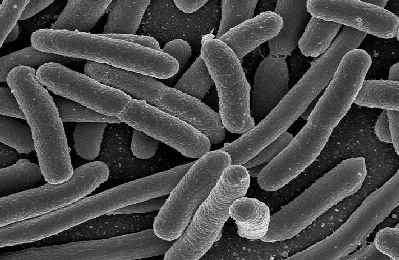
Bacteroides are anaerobic bacteria that predominate in mammalian and some avian feces. Estimates indicate that Bacteroides are present in huge concentrations in feces (100,000,000,000 cells per gram of dry feces!) - far outnumbering coliform, E.coli, or Enterococcus concentrations. Since Bacteroides cannot survive in the presence of oxygen, they do not persist or multiply outside of the gut like FIBs.
Bacteroides are only present in fecal contamination - unlike some coliforms which are soil borne bacteria and E.coli and some Enterococcus species which may not be specific for fecal contamination (i.e., E.coli may be found in clean water and sediments in tropical latitudes, and some Enterococci are soil borne).
Bacteroides’ anaerobic nature is a boon when testing for sewage or fecal contamination. Because PCR detects the genetic material (in this case DNA) and does not rely on growing live organisms, these tests do not need special shipping nor do they have particularly short hold times. Moreover, the test is very sensitive compared to FIBS.
Therefore, the anaerobic nature of Bacteroides, their enormous concentrations in feces, and the sensitivity and specificity of qPCR make testing for these bacteria easier and more effective than using FIB culture tests. (There are qPCR tests for E. coli and Enterococci but due to the relatively low concentrations of these bacteria in feces, they may not be detected if the fecal material is diluted.) Different types of the Bacteroides bacteria exist, allowing analysts to test for specific kinds of contamination.
One type, called total Bacteroides, encompasses mammalian, some avian, and human sources. Due to the sensitivity of the total Bacteroides qPCR test, it is crucial to include background samples from areas that are not contaminated or impacted by sewage or feces. (This test can even detect fecal cross contamination from dirty shoes and mop heads.)
Another type of qPCR test, Human Bacteroides, is largely specific for human sources since the test targets human genetic markers. In practical terms, this means that results can be interpreted with a high degree of confidence since this test is specific for human fecal material.
Advantages of Bacteroides Tests Page
To summarize, the advantages of using Bacteroides PCR tests in place of culture FIBs are:
1. Current culture FIB tests have a high percentage of false positives and false negative results while total Bacteroides are specific for fecal contamination.
2. Unlike the qualitative enrichment tests for detecting FIBS at low concentrations, these PCR tests are quantitative even at low levels of fecal contamination.
3. Human Bacteroides and HpyVs are specific for human fecal contamination only. Current culture FIBs cannot distinguish between human or animal sources of fecal contamination.
4. Results can be obtained hours after the samples are received allowing for water or building closure and remediation efforts to start without a significant delay.
5. Results can be interpreted with a high degree of confidence since PCR tests, when done correctly, eliminate the false positive and negative results that are common with culture FIB tests.
Bacteroides are anaerobic bacteria that predominate in mammalian and some avian feces. Estimates indicate that Bacteroides are present in huge concentrations in feces (100,000,000,000 cells per gram of dry feces!) - far outnumbering coliform, E.coli, or Enterococcus concentrations. Since Bacteroides cannot survive in the presence of oxygen, they do not persist or multiply outside of the gut like FIBs.
Bacteroides are only present in fecal contamination - unlike some coliforms which are soil borne bacteria and E.coli and some Enterococcus species which may not be specific for fecal contamination (i.e., E.coli may be found in clean water and sediments in tropical latitudes, and some Enterococci are soil borne).
Bacteroides’ anaerobic nature is a boon when testing for sewage or fecal contamination. Because PCR detects the genetic material (in this case DNA) and does not rely on growing live organisms, these tests do not need special shipping nor do they have particularly short hold times. Moreover, the test is very sensitive compared to FIBS.
Therefore, the anaerobic nature of Bacteroides, their enormous concentrations in feces, and the sensitivity and specificity of qPCR make testing for these bacteria easier and more effective than using FIB culture tests. (There are qPCR tests for E. coli and Enterococci but due to the relatively low concentrations of these bacteria in feces, they may not be detected if the fecal material is diluted.) Different types of the Bacteroides bacteria exist, allowing analysts to test for specific kinds of contamination.
One type, called total Bacteroides, encompasses mammalian, some avian, and human sources. Due to the sensitivity of the total Bacteroides qPCR test, it is crucial to include background samples from areas that are not contaminated or impacted by sewage or feces. (This test can even detect fecal cross contamination from dirty shoes and mop heads.)
Another type of qPCR test, Human Bacteroides, is largely specific for human sources since the test targets human genetic markers. In practical terms, this means that results can be interpreted with a high degree of confidence since this test is specific for human fecal material.
Advantages of Bacteroides Tests Page
To summarize, the advantages of using Bacteroides PCR tests in place of culture FIBs are:
1. Current culture FIB tests have a high percentage of false positives and false negative results while total Bacteroides are specific for fecal contamination.
2. Unlike the qualitative enrichment tests for detecting FIBS at low concentrations, these PCR tests are quantitative even at low levels of fecal contamination.
3. Human Bacteroides and HpyVs are specific for human fecal contamination only. Current culture FIBs cannot distinguish between human or animal sources of fecal contamination.
4. Results can be obtained hours after the samples are received allowing for water or building closure and remediation efforts to start without a significant delay.
5. Results can be interpreted with a high degree of confidence since PCR tests, when done correctly, eliminate the false positive and negative results that are common with culture FIB tests.
|
|
For More Information Call Today East Coast 1-800-220-3675 West Coast 1-866-798-1089 Ship your samples to: EMSL Analytical, Inc. - Bacteriodes Lab 200 Route 130 North Cinnaminson, NJ 08077 |

| Copyright ©2013 EMSL Analytical, Inc. |
|


